Why Concrete Sealing in Provo Is a Year-round Investment, Not a One-time Fix
Concrete sealing in Provo is one of those home maintenance decisions that most people put off — until they see the damage. A spiderweb of hairline cracks across the driveway. Surface scaling that started small but keeps spreading. What looks like a cosmetic problem is usually a structural one, and by then the cost is no longer the price of a sealer. It’s the price of a replacement.
Here’s what Provo’s climate actually does to concrete — and why sealing it correctly changes the outcome.
What Provo’s winters do to unsealed concrete
Concrete is porous by nature. That porosity is fine under stable conditions, but Utah’s winters are anything but stable. Utah’s weather shifts dramatically, with freezing temperatures in winter followed by warmer spells in spring. This freeze-thaw cycle causes water to seep into small pores in the surface, expand as it freezes, then melt and contract — creating cracks and deterioration over time.
Northern Utah averages over 110 freeze-thaw cycles per year. Water enters microscopic pores and cracks in concrete, freezes, expands by 9%, and forces the concrete apart from the inside — producing the surface scaling and pitting visible on unprotected driveways over time.
Then there’s road salt. The acidic reaction of salt on concrete attacks the concrete paste, weakening it and increasing pore size. Once pores enlarge, additional salts, water, and chemicals penetrate and cause damage during freeze-thaw cycles. It’s a compounding problem: every winter without a sealed surface accelerates the cycle.
The sealer types worth knowing about
Not every sealer is appropriate for every surface, and this is where many DIY attempts go wrong. Penetrating sealers absorb into concrete and form a chemical barrier within the surface. They don’t change the appearance, resist UV damage, and allow moisture vapor to escape — critical in Utah’s climate to prevent freeze-thaw damage, and they last up to four years.
Topical sealers, by contrast, sit on the surface and create a visible protective film that enhances color and provides a glossy finish — but they can be slippery when wet, may yellow under UV exposure, and typically last only one to two years before requiring reapplication.
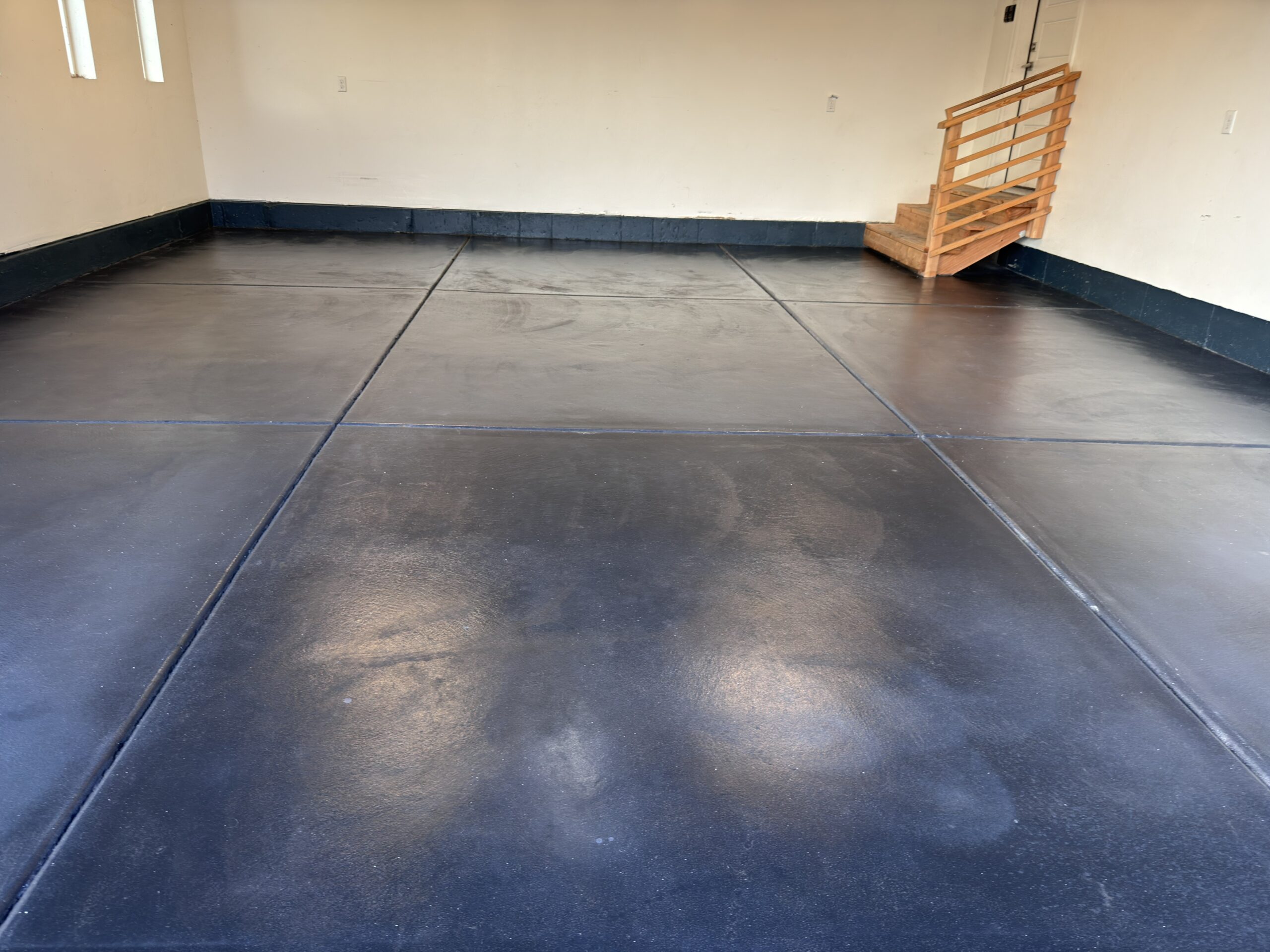
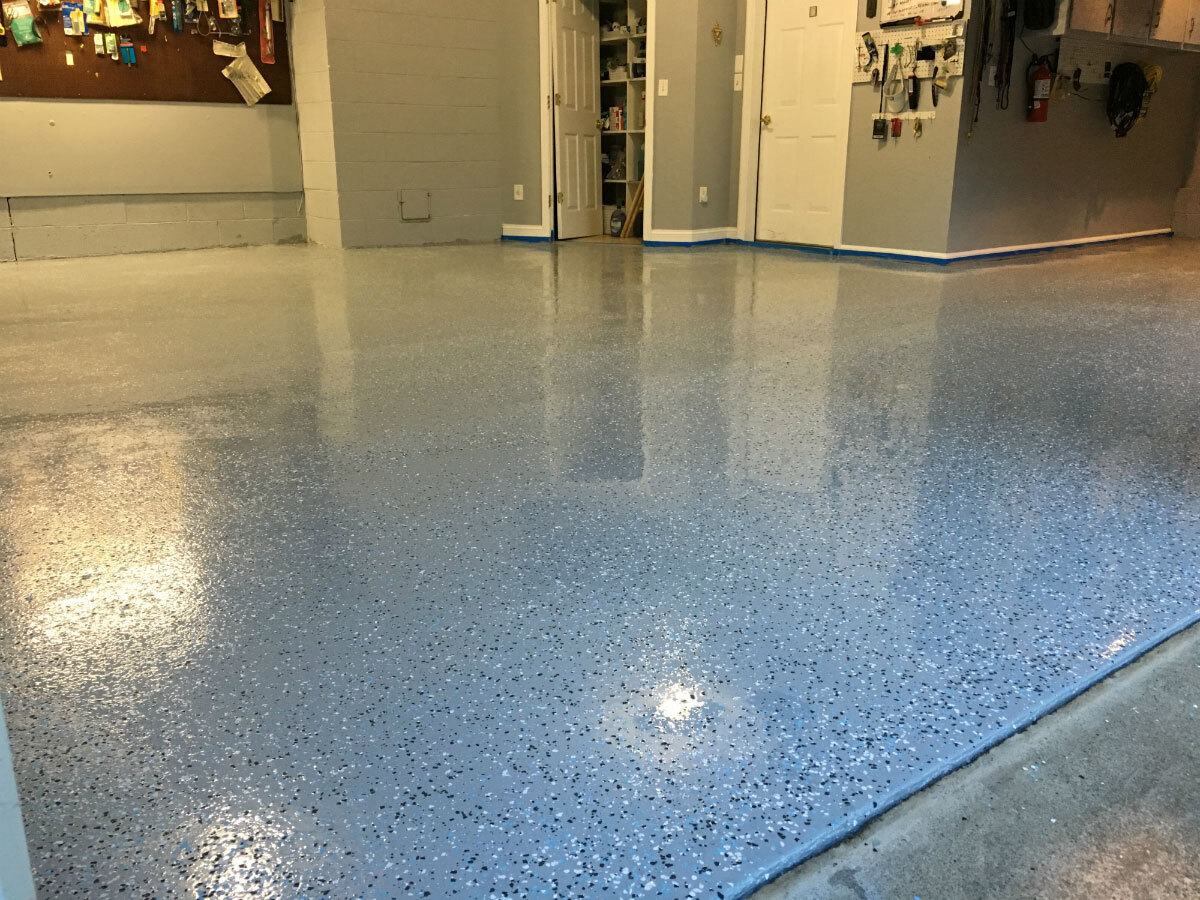
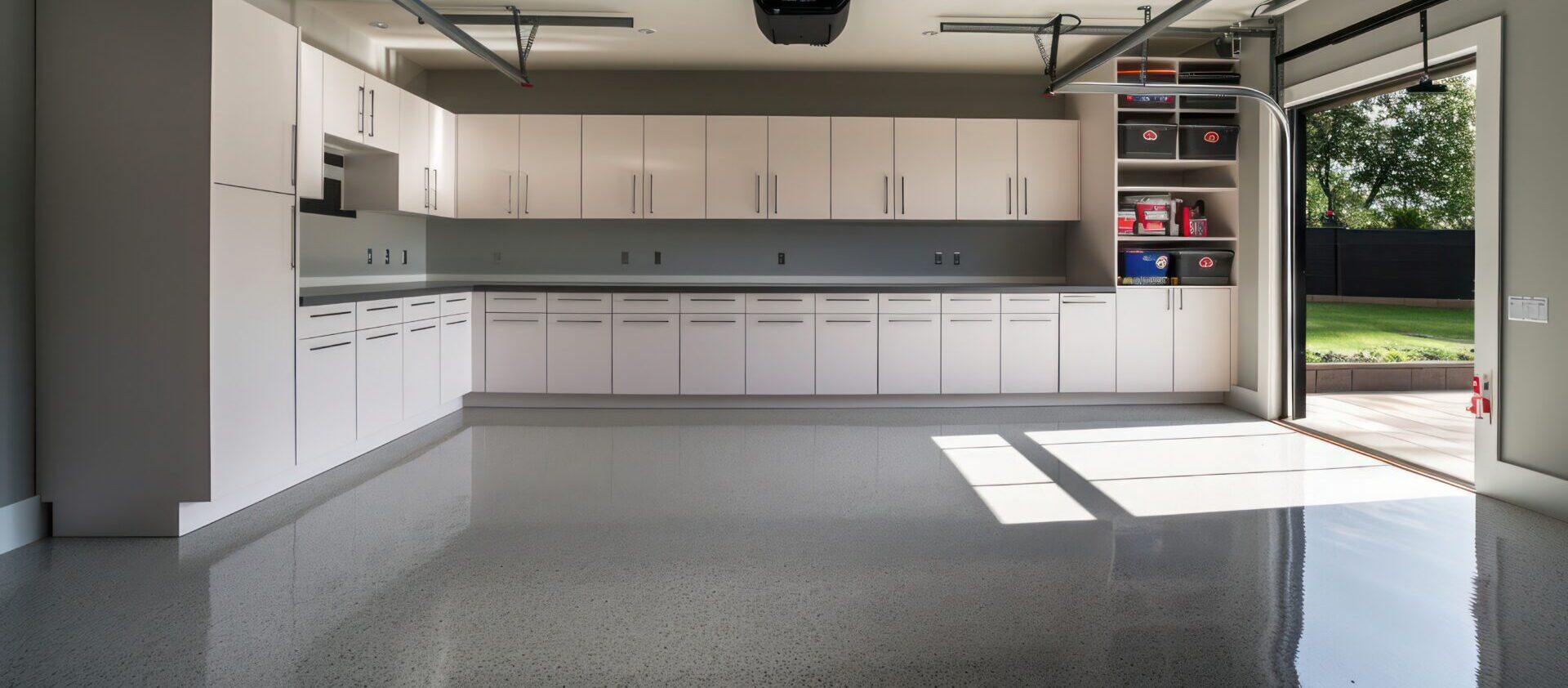
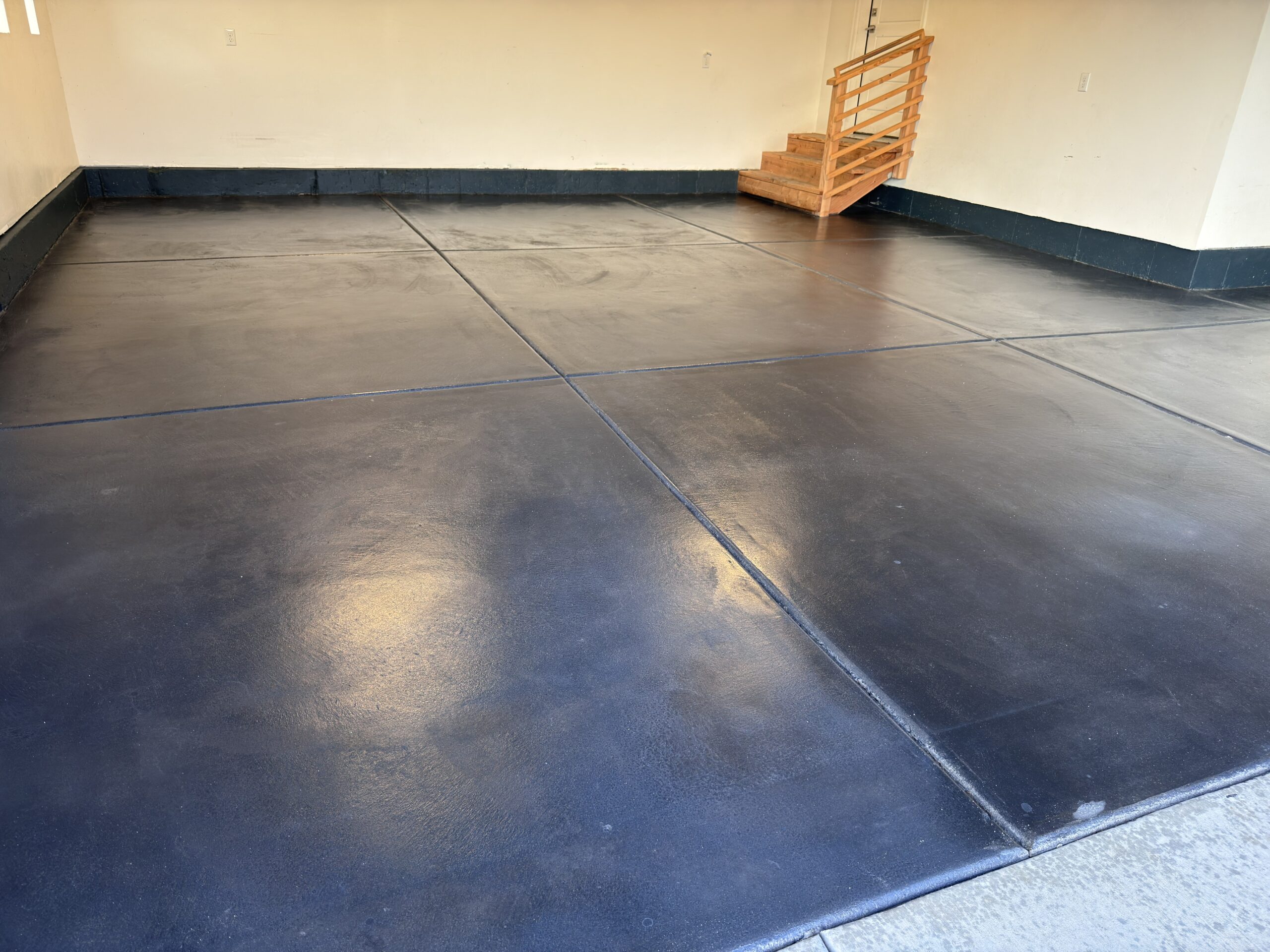
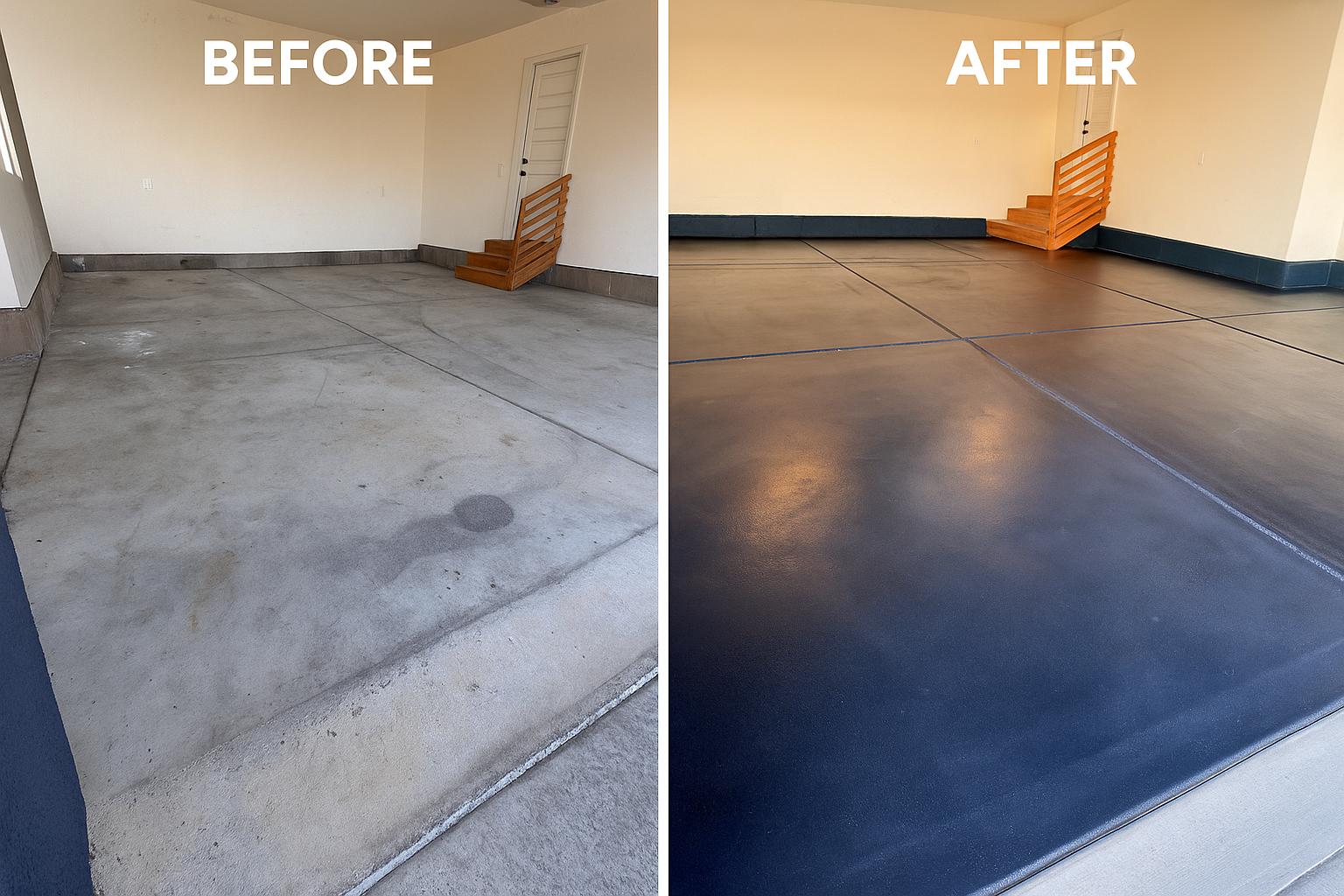
For decorative concrete, stained slabs, or interior garage floors where finish quality matters, the calculus shifts. A surface-coating system — applied with the right preparation — can deliver both protection and a polished aesthetic. The key is matching the chemistry to the surface and the exposure.
Concrete sealing in Provo: when and how often
Timing is not a minor detail. Sealing the wrong concrete at the wrong time wastes money and can actually trap moisture inside the slab, accelerating damage. New concrete should wait at least 28 days after the pour for full cure before being sealed — ideally before the first winter.
The best application season is spring or fall, when temperatures are stable between 50°F and 80°F. Sealing in extreme heat or right before a freeze compromises results.
For resealing intervals, a quality concrete sealer applied every three to five years prevents water absorption that causes freeze-thaw damage and protects against salt and chemical stains — a modest upkeep cost compared to the alternative.
Why the prep work determines the result
The sealer itself is only half the equation. Surface preparation separates a treatment that lasts from one that peels within a season. Proper concrete sealing in Provo starts with thorough cleaning to remove oil, dirt, and any failed coating — then a careful inspection for existing cracks. Sealant does not span wide enough to cover existing cracks, so it is generally recommended to have all cracks and joints caulked before applying sealant. Skipping that step means sealing moisture into the problem rather than out of it.
This is exactly where experienced, specialized applicators earn their value. At Sunny Day Stone Care, the approach to concrete sealing pairs technical surface assessment with sealant selection matched to your specific conditions — whether that’s an exposed driveway taking full sun and winter salt, a stained decorative patio, or a garage floor that needs durability alongside a clean finish. The company holds a 5.0 rating from 15 verified Google reviews, reflecting the standard brought to every project.
The cost of waiting
Unsealed concrete in Utah typically shows visible damage within five to ten years, sometimes sooner with high salt exposure. The deterioration cascade runs from surface scaling, to spalling, to cracks widening, to internal rebar beginning to rust and expand — eventually requiring full slab replacement.
Sealing properly extends concrete lifespan by two to three times. The cost of sealing is a small fraction of the cost of replacement. For Provo homeowners, that math is straightforward.
If your driveway, patio, or garage floor hasn’t been sealed within the last few years, or if you’re not sure what was applied, a professional assessment before the next winter arrives is the right first step. Request a free quote from Sunny Day Stone Care and find out exactly what your surfaces need.
Gallery
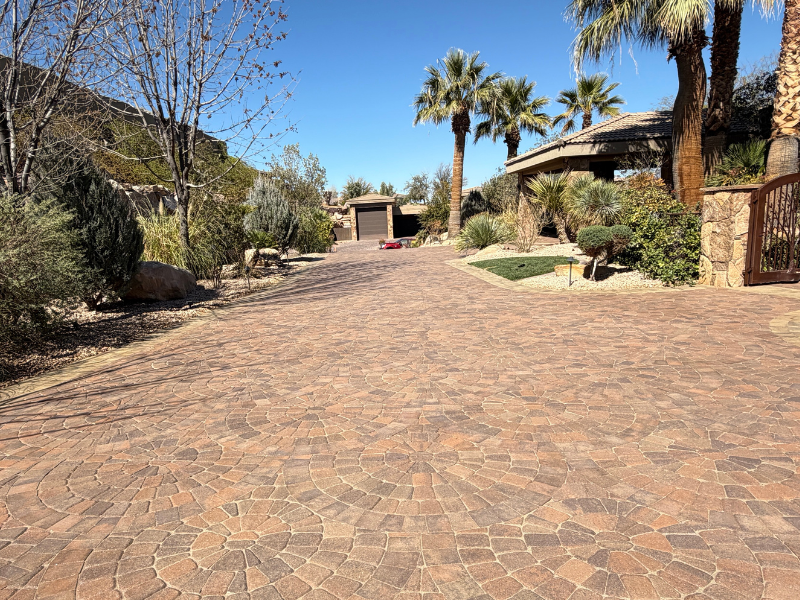
Why a Paver Sealing Service in Draper Protects More Than Appearance
Why a Paver Sealing Service in Draper Protects More Than...
Read MoreWhy Concrete Sealing in Provo Is a Year-round Investment, Not a One-time Fix
Why Concrete Sealing in Provo Is a Year-round Investment, Not...
Read MoreTravertine Restoration in Provo: A Practical Guide
Travertine Restoration in Provo: A Practical Guide Travertine Restoration in...
Read MoreHow to Clean Pavers Before Sealing in Utah – 2026
How to Clean Pavers Before Sealing At Sunny Day Stone...
Read More